
How to Add Historic Charm to a Home Renovation: 15 Timeless Details We Chose
IF YOU’RE WONDERING HOW TO ADD HISTORIC CHARM TO A HOME RENOVATION, IT REALLY COMES DOWN TO THE SMALL, THOUGHTFUL DETAILS THAT MAKE A HOUSE FEEL LIKE IT HAS ALWAYS BEEN THERE.
I’ve always been drawn to historic homes.
There’s just something about the warmth, character, and timeless details that makes them feel so welcoming. So when we started planning our home renovation, I knew I didn’t want the new spaces to feel brand new. I wanted them to feel like they’d always been part of the house.
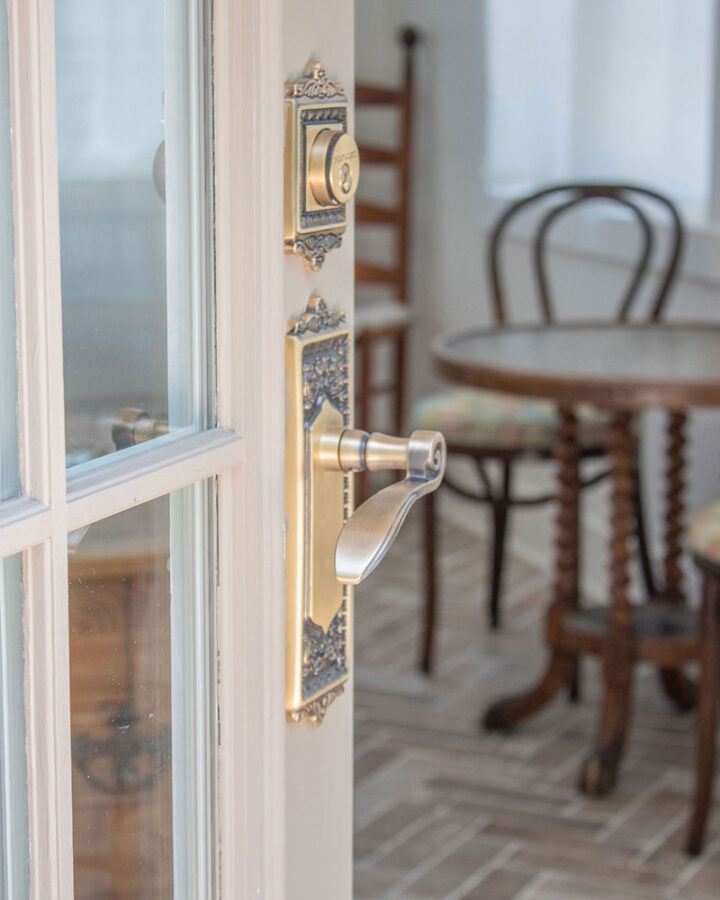
Instead of following every design trend, we focused on adding historic style details that give a home personality and a sense of history. Some of these choices were architectural, some were purely decorative, but together they completely changed the feel of our renovation.
My hope was that when someone walked through our home, they wouldn’t be able to tell where the original house ended and the addition began.
If you’ve ever wondered how to add historic charm to a modern home, or you’re simply looking for timeless ideas that won’t feel dated in a few years, here you will find some suggestions.
Why Historic Details Matter
Older homes have a charm that you no longer see in most new builds. The craftsmanship was better, the materials were natural, and things were made to last.
With today’s manufacturing, everything has been reduced to cheaper materials that take the least amount of time to fabricate. Most of these will never stand the test of time.
Timeless details are classic and will age better than trends. That was important to consider during renovations. While overwhelmed with choices, sticking to classic and historic-inspired details helped me to stay cohesive.
How to add historic charm to a home renovation
Adding historic charm to a home renovation isn’t about copying a specific era perfectly; it’s about choosing details that feel timeless and rooted in traditional design.
For us, that came down to paying attention to the details that make older homes feel so special. Instead of chasing trends, we focused on materials and design choices that already have a long history in traditional homes. This way, our renovation would feel like it had always belonged.
And while you can always create this look with furniture and decor, architectural details will increase the character (and the value) of your home more.
These are the 15 historic-inspired details we chose and why we’d choose every one of them again.
1. Wide Plank Wood Flooring
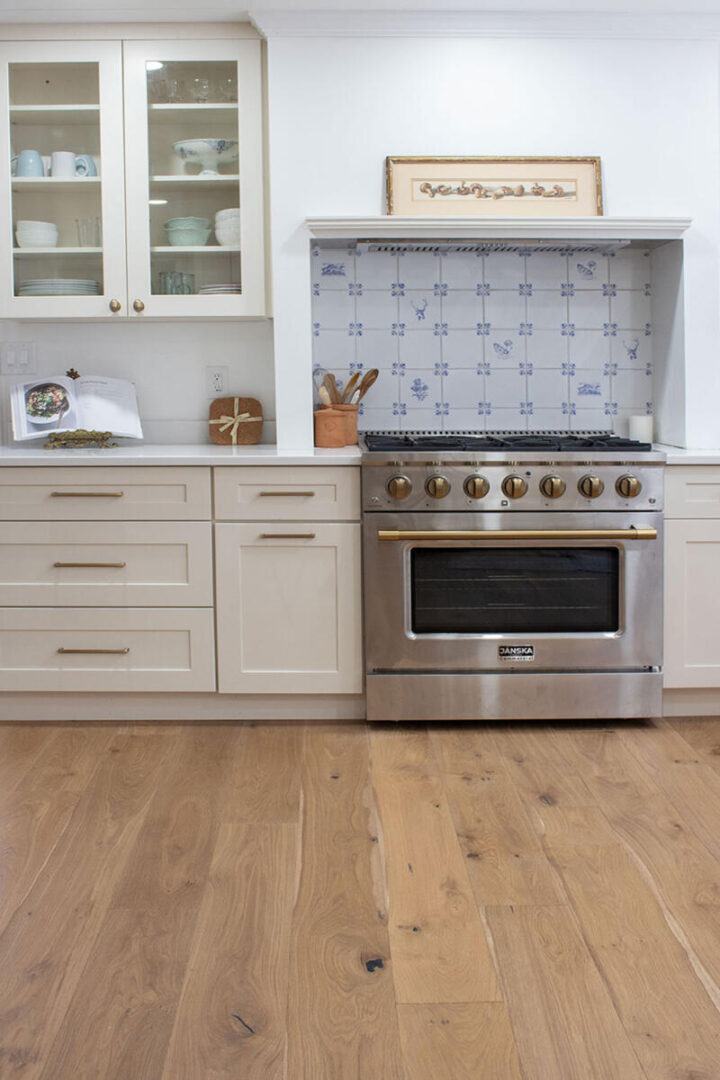
Wide plank wood floors have always been one of my favorite historic-inspired details because they instantly make a home feel older and more grounded.
While skinny plank hardwood floors aren’t new at all, and actually became the standard in homes by the late 1800s, the wider planks go even further back in time.
As far back as the 1600s, in fact.
In early Colonial homes, before industrial milling, floors were often made from much wider boards simply because that’s how lumber came from the sawmills.
There’s something about that scale and variation that feels so authentic and lived-in to me. That said, most installers these days will tell you they are more prone to warping compared to narrower boards. For that reason, we chose 6-inch planks over 8-inch. You can see more details on our hardwood floors here.
They soften the whole space in a way that feels less “new build” and more like an old cottage that’s evolved over time.
Additionally, hardwood floors are one of the largest value-add items to your home.
2. A Classic Drainboard Sink
I once tried to get my husband to move to a new house based on that home’s kitchen sink. It had a huge, authentic drainboard sink in the kitchen that I loved.
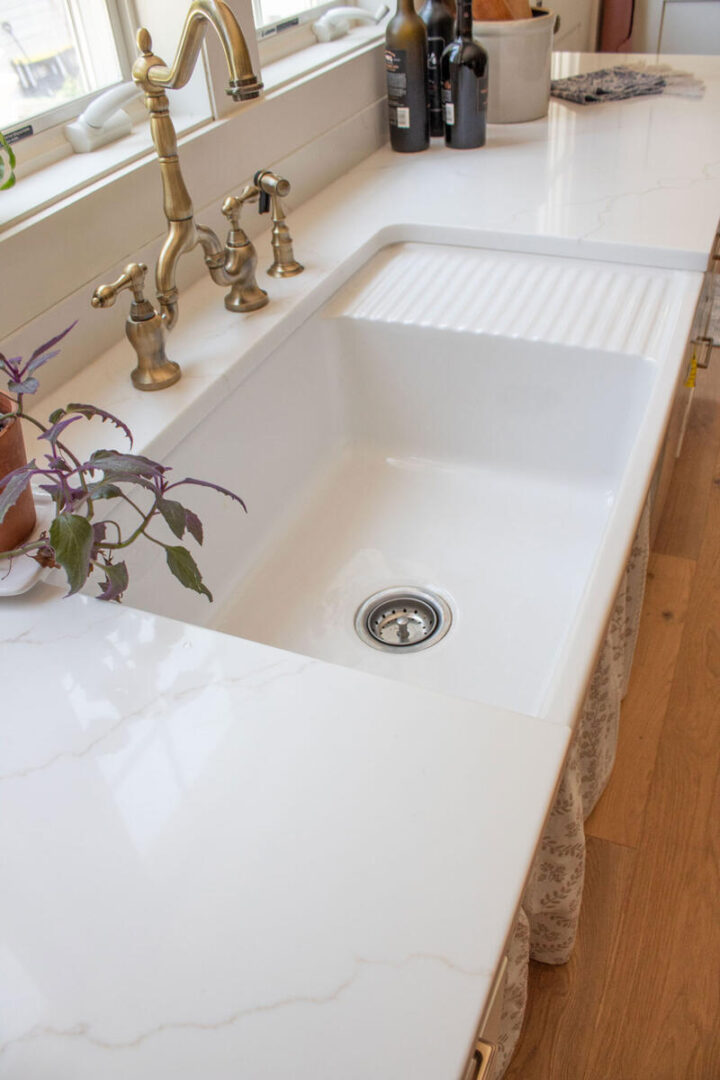
Clearly, he wasn’t on board for that move, but that sink always stayed in my mind. So when it came time to design our kitchen, that was the first thing on my priority list.
However, I soon realized the logistics of finding an antique drainboard sink in good condition and having the builder and plumber install it were going to be too difficult.
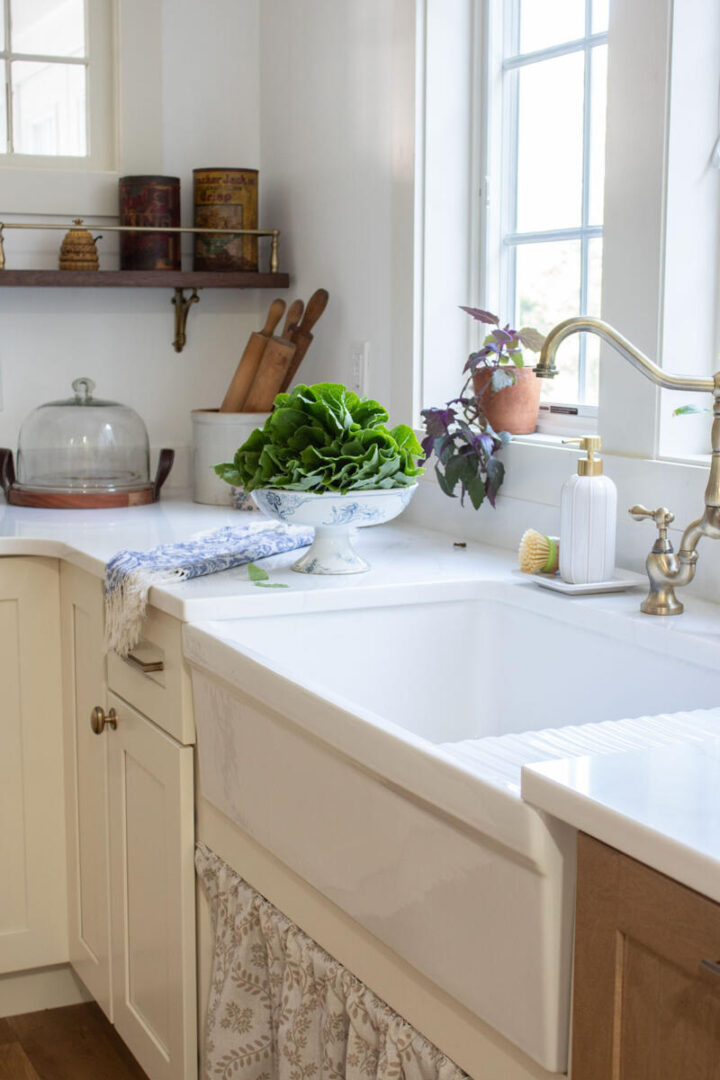
Fortunately, I came across a new sink that had a built-in drainboard. This drainboard sink is very well made and was the perfect solution to create the look I wanted so much. It became the focal point of our kitchen.
We’ve been in the house for over a year now, and I still love this sink as much as on day one. It’s practical as well as beautiful.
3. Historic-Style Faucets
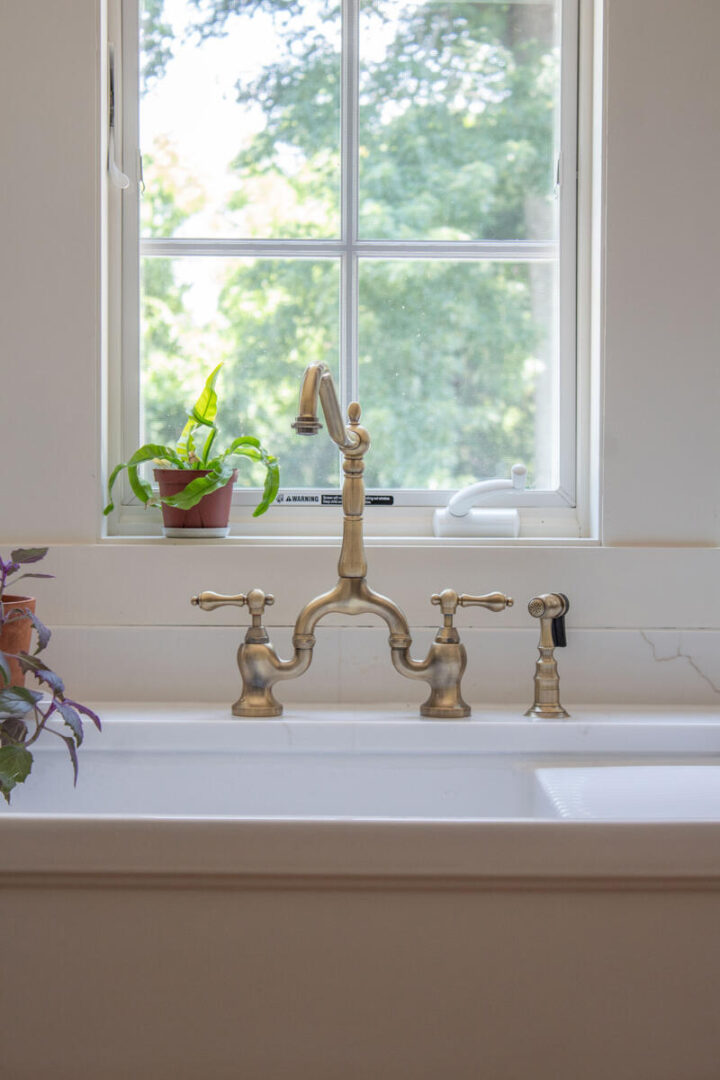
Choosing faucets for our house was another opportunity to add historic style details, especially in the kitchen. I found a bridge faucet that came in an antique brass finish that complemented our drainboard sink perfectly.
For the bathrooms, I used a widespread faucet, because that style is what you might see in old homes. The three pieces are all separate as they were in historic times. Note that this faucet in our main bathroom renovation requires a 3-hole sink or countertop for installation.
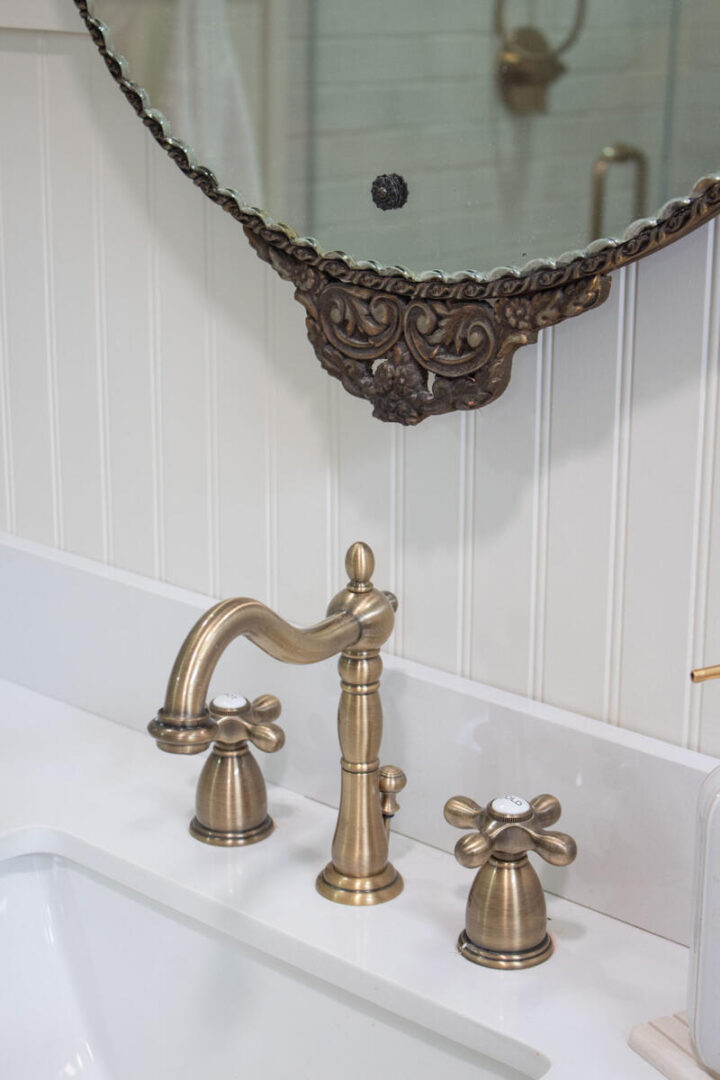
I kept the antique brass finishes consistent throughout the house because they add warmth. Historic houses have a warmth to them, so I felt using shiny metals such as silver or chrome would not have the overall effect I was aiming for.
4. Craftsman-Style Moldings
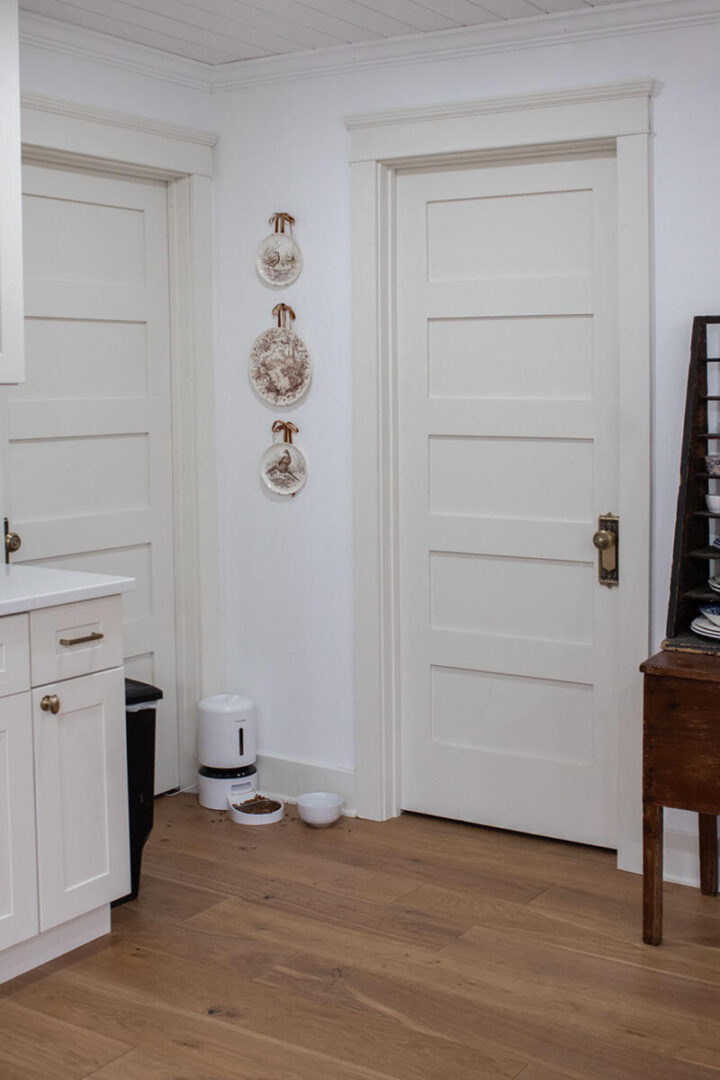
My favorite details in older homes are the architectural details. I especially love wainscoting and substantial door and window moldings. This was the only area we went over our initial budget in our home reno (but it was planned for from the start).
For each of the door and window trim, I asked for the craftsman-style moldings. For the baseboards, we went with a 6″ height to beef those up. Standard builder-grade baseboards are usually 3-5 inches and have zero impact or charm. We also added crown molding in the living room, dining room, kitchen, and bedroom.
We didn’t do the 3-tiered crown molding as we did in our last house, because that was too labor- and time-intensive. We may add some of that later on in rooms that didn’t get crown molding.
Where we went over budget a bit was adding 3/4 height beadboard to both bathrooms and planks to the kitchen ceiling. Those details were worth every penny because they do add the most character to the house.
The bigger the trim, the better, in my opinion. Small, builder-grade standard trim may work if you like a modern look, but it does nothing to add old house charm and character.
5. Beadboard Walls
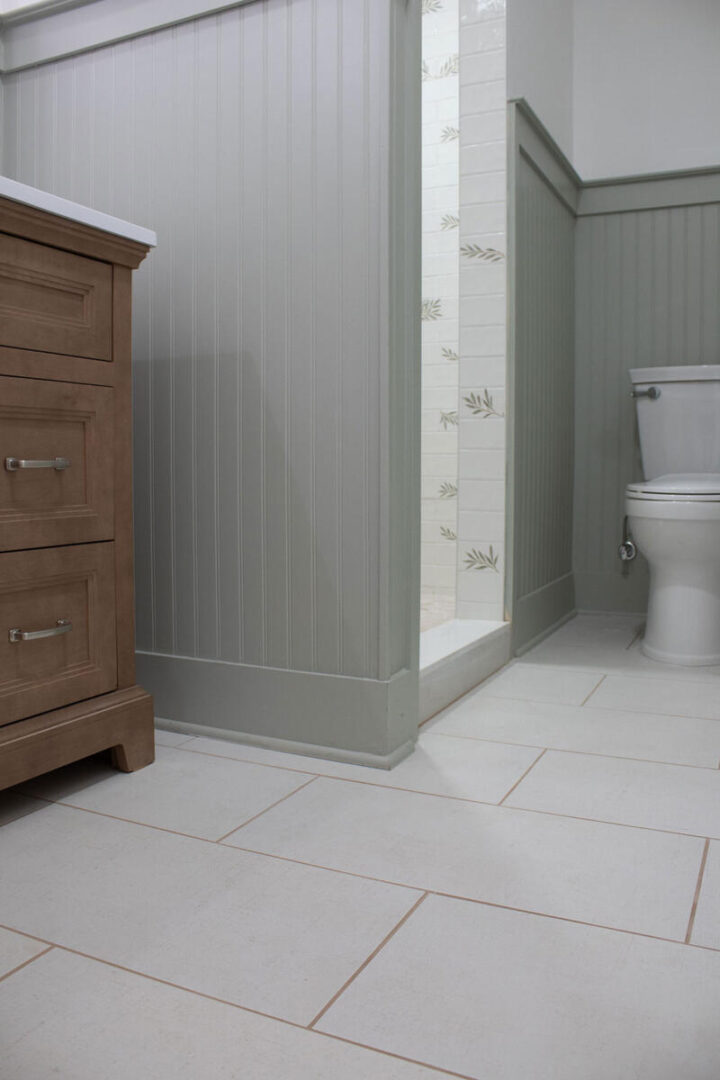
Beadboard was introduced into homes around the late 1800s. At that time, it was a more affordable, durable alternative to plaster walls. It was most often used in rooms that got the most use and moisture, such as kitchens and bathrooms.
While I love beadboard in any room, kitchens and bathrooms would still be my first choice. We added it to both of our bathrooms during renovations, and it’s one of the best decisions I made. It adds tons of cottage charm.
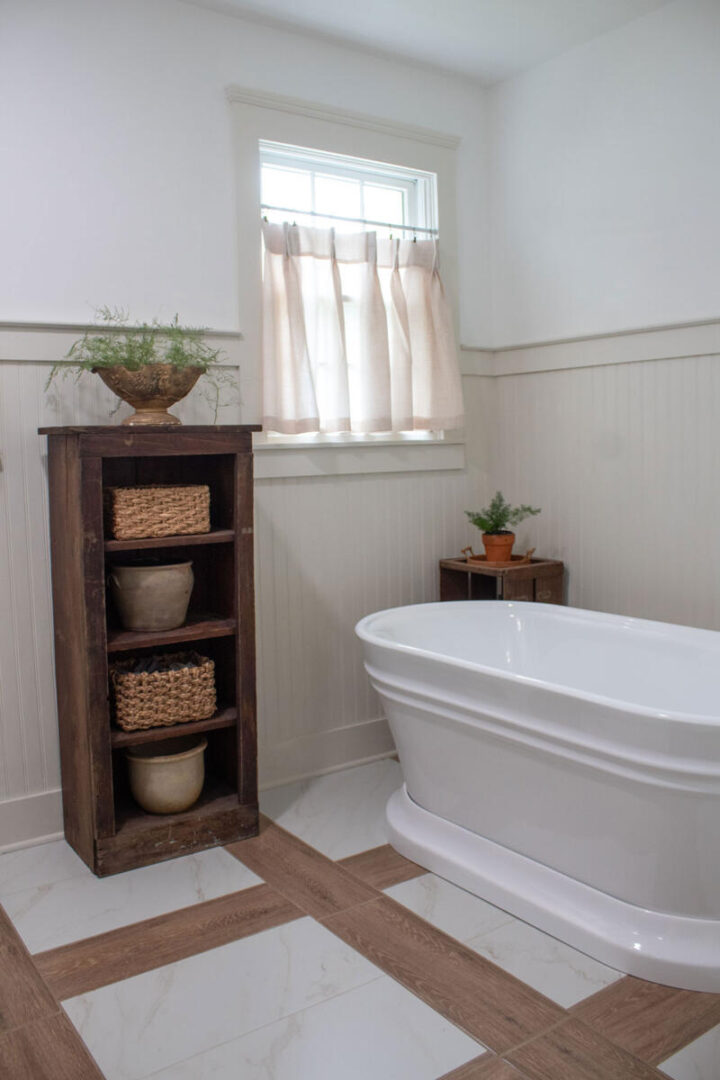
We also intended to use this as the backsplash in our kitchen. However, near the end of renovations, when we just wanted to be finished, we let that go. We will eventually install that ourselves.
Beadboard is a very budget-friendly option if you’re looking to add vintage charm to your home. It’s also a reasonably easy DIY project.
6. Built-In Dining Room Shelving
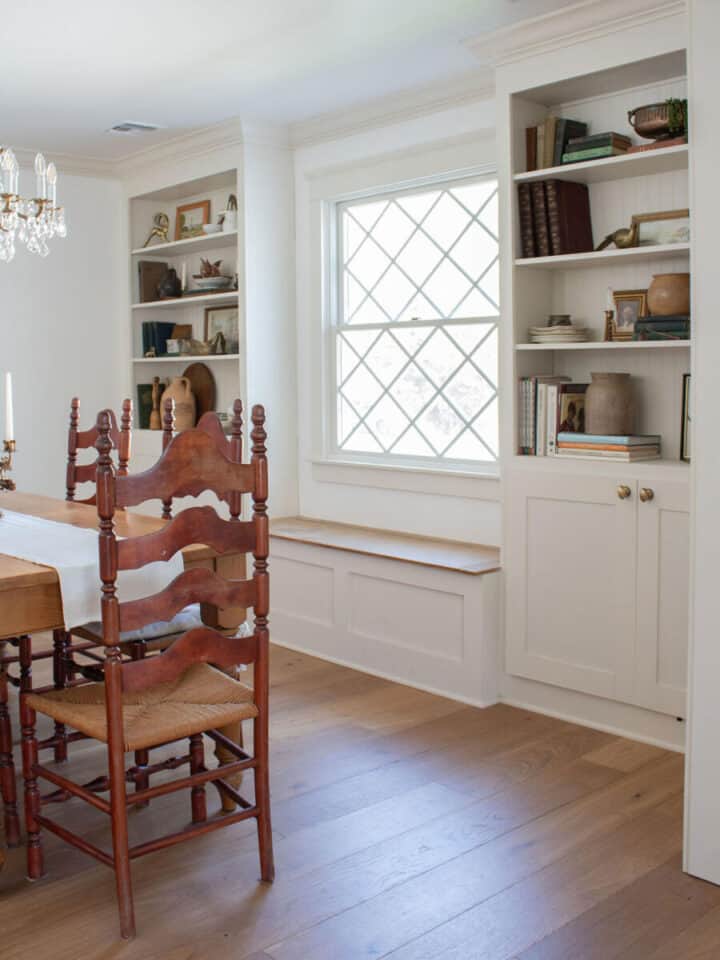
Built-in shelving was so common in older homes that it was practically a staple. It was used for function and storage, not purely decorative.
While I always dreamed of a home library with floor-to-ceiling books, I was able to get a hint of that vibe in our dining room by incorporating built-in shelves. I took it one step further, adding a bench with storage in between. Lastly, I used diamond grid panes on the windows to complete the look.
Our last house was smaller and had zero display space, so having these built-in shelves doubles as both storage and display space. Plus it makes an otherwise boring room more interesting.
7. Divided-Light Wood Windows
One thing I don’t love about builder-grade, modern windows is the plastic frames and grids. I requested wooden windows and wooden grills that could be painted during our construction.
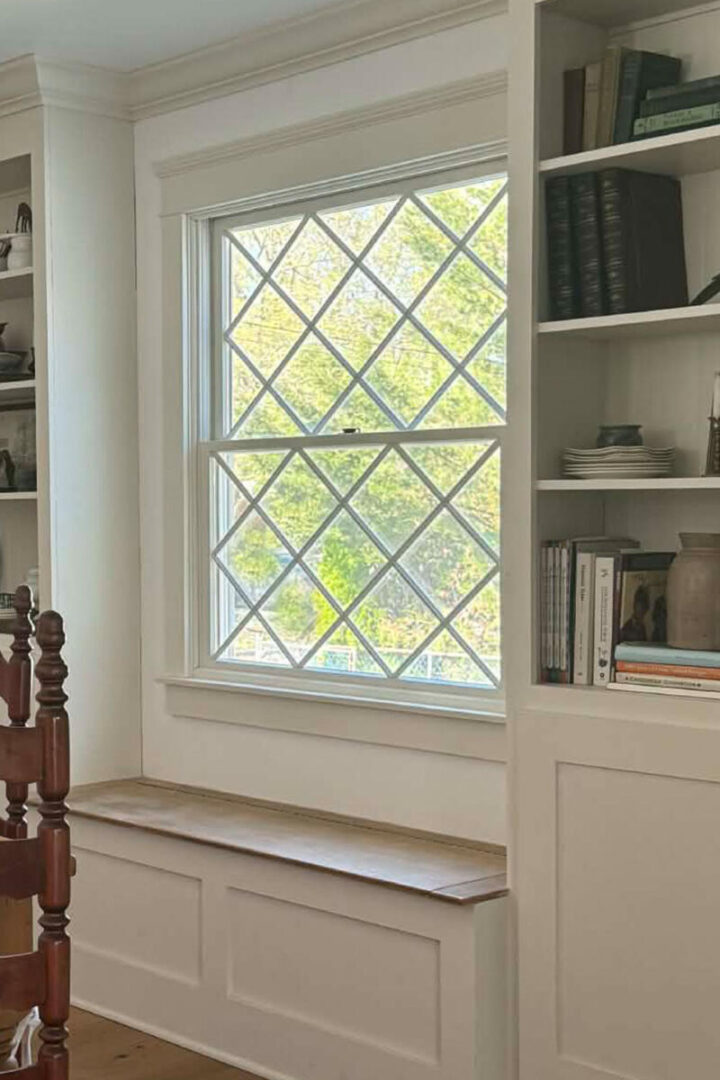
While I am happy with that choice, I will still say they don’t compare to the old windows. The wooden grills (which are only on the interior) came separately, were hard to install, and were flimsy.
I can spot the real, substantial wooden windows on a house a mile away. They just don’t compare.
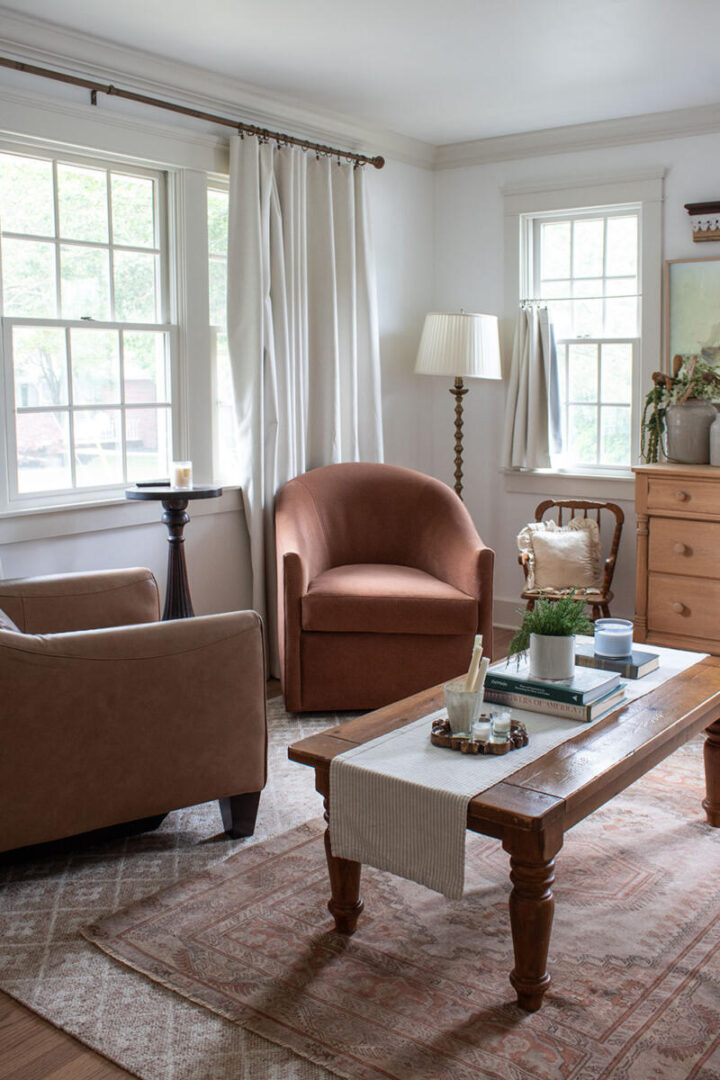
There is likely a company somewhere out there that can replicate the antique wooden windows better. But I’m sure it would come with a hefty price tag that wouldn’t work for most average home renovators.
8. An Unfitted Kitchen Island
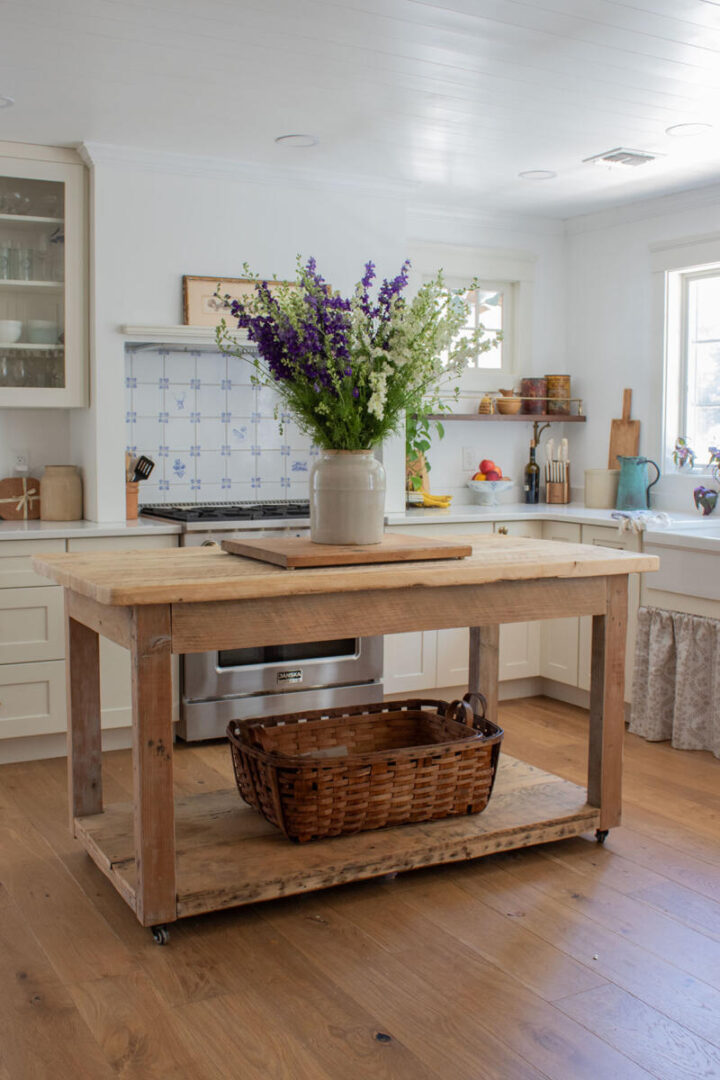
What I mean by an unfitted kitchen island is one that wasn’t made by a kitchen designer. Unfitted kitchens are based on historic farmhouse kitchens, back when walls of kitchen cabinetry were not a thing. Instead, they used furniture for storage, and nothing was exactly matching.
Pieced-together kitchens had a more casual, lived-in feel than our kitchens do these days. So having an island made from antique barnwood, rather than one that matched our kitchen, was a way to add a little more charm and historic detail to our home.
I had our island builder replicate a photo of an antique French drapers table that I had saved on my phone. The open bottom allows me to have storage. I added a large basket underneath to store more unsightly things.
This option may not be for everyone. A large, modern kitchen island will give you more storage and the option to have a sink and microwave built in.
I preferred the antique look instead. It flows with the overall look of our house. I really didn’t want a too-perfect or too modern kitchen. In older historic homes, nothing is too perfect or matches exactly.
You can see more of our antique kitchen island here.
9. Delft-Inspired Tile
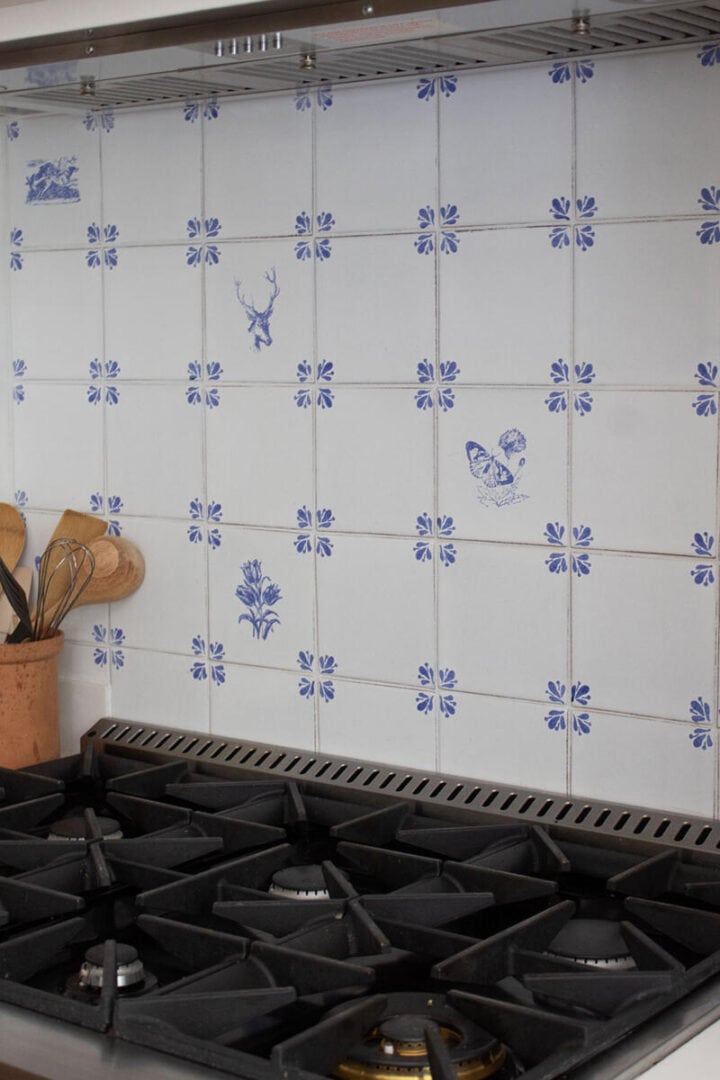
The tile choices in our house were something I agonized over because they’re so permanent. For our kitchen, a Delft tile was a natural fit with my historic home vibe. Finding enough antique Delft tiles to create our range backsplash would’ve been too expensive (those do not sell cheaply!).
Fortunately, I found a wonderful new version from my favorite tile design company. It gave me the pattern I wanted, without overwhelming the room. It also fits in my vintage theme and overall kitchen design.
While the blue-and-white tile felt like a commitment, it’s a classic color combo that will stand the test of time. Early on, I considered having these custom-designed in brown and white, but that was something I thought could turn regretful later.
There are so many factors to consider when renovating!
10. Historic Style French Doors
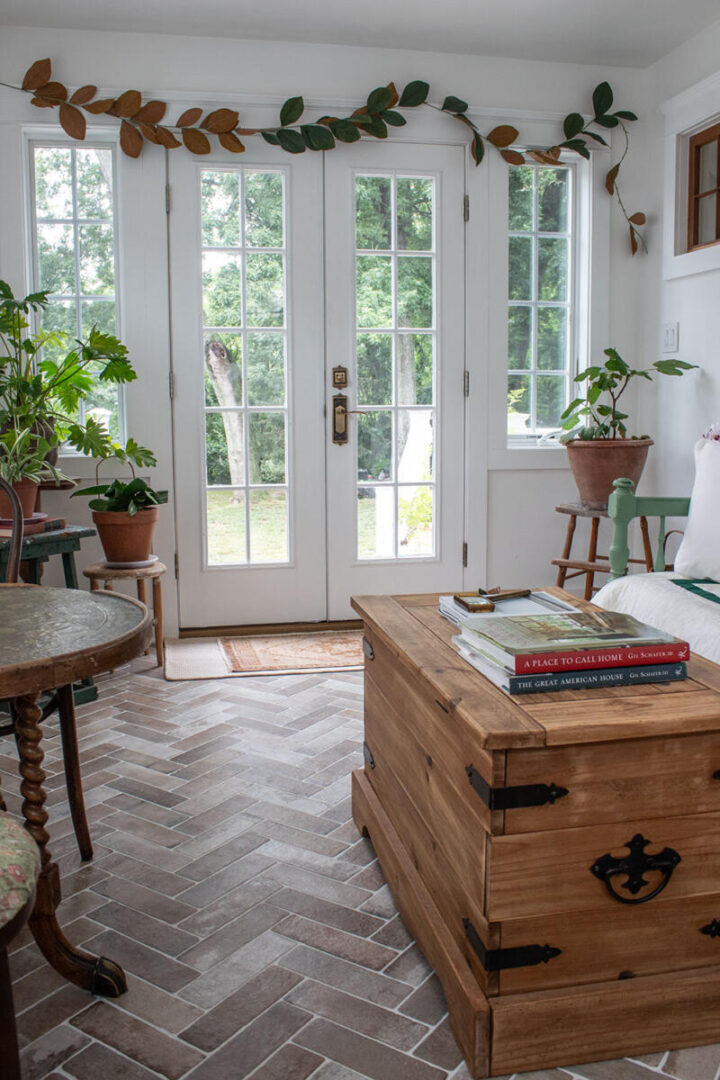
The French doors in our sunroom are another idea I got from an old, historic home my husband and I once looked at. (Another one I tried to get him to buy but failed, lol).
What I’ve noticed in older homes is that often the French doors are not as wide as what we are used to today. That more narrow profile is a look I love. When you put a set of those slimmer French doors together, you still have plenty of space for functionality such as moving furniture in and out.
The reason older French doors were more narrow than what we see today is partly that glass was expensive and made in smaller panes, and partly because of traditional construction methods.
Older homes relied heavily on solid wood construction. This meant that wider, heavier door frames were more prone to warping, cracking, and moving.
Historic-style French doors are one of those details that quietly add so much charm and were exactly what we wanted to echo in our own renovation.
All the functionality with loads of charm. These are a win-win.
11. Herringbone Brick Floors
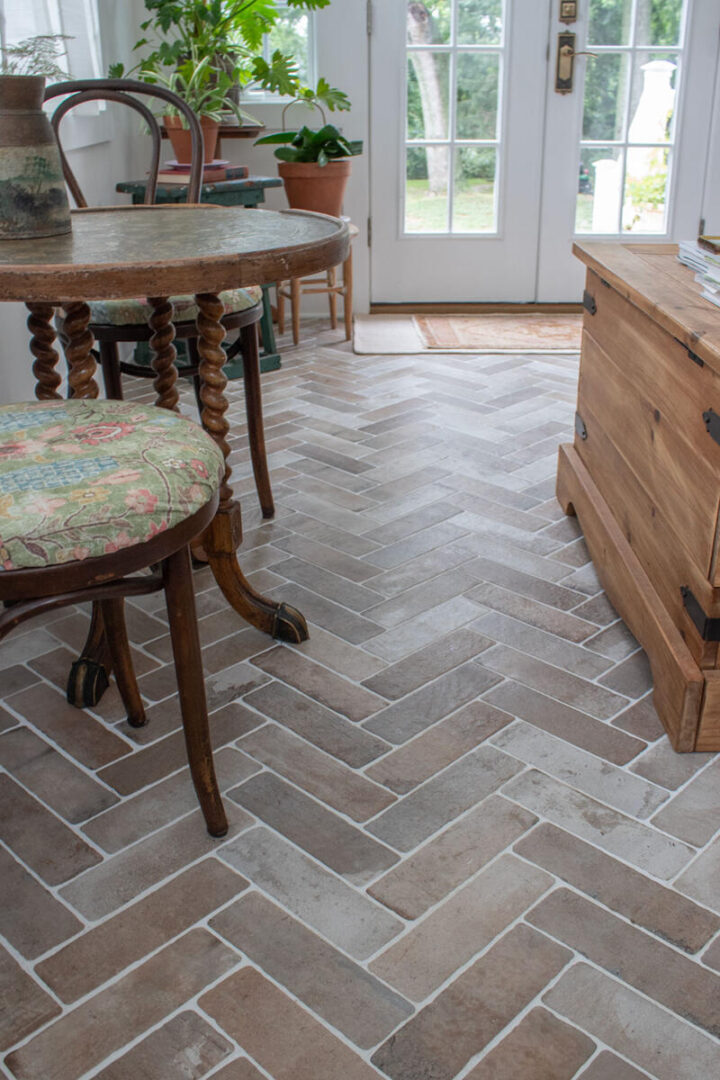
Initially, I wasn’t sure that herringbone flooring was actually a historic accent, but I wanted it regardless because I’ve always loved it.
As it turns out, they are absolutely historic, dating back to 16th-century Europe. (Are you loving this history lesson today?) They were often used in palaces, estates, and other high-end buildings.
They feel as luxurious today as they did then. It’s the craftsmanship it takes to install these by hand that really sets them apart. They are still expensive to install these days, but they will set your home apart in resale value and charm.
In my sunroom, I combined the herringbone pattern with brick tiles for the flooring because those are two flooring details I have always loved. The sunroom was the perfect opportunity to combine those two elements. And it was worth every penny of the install.
12. Antique Mirrors Instead of Medicine Cabinets
Antique mirrors are something I can never pass up when I find a good one. I had collected quite a few before our move, which helped to give me options when it came time to design our two bathrooms.
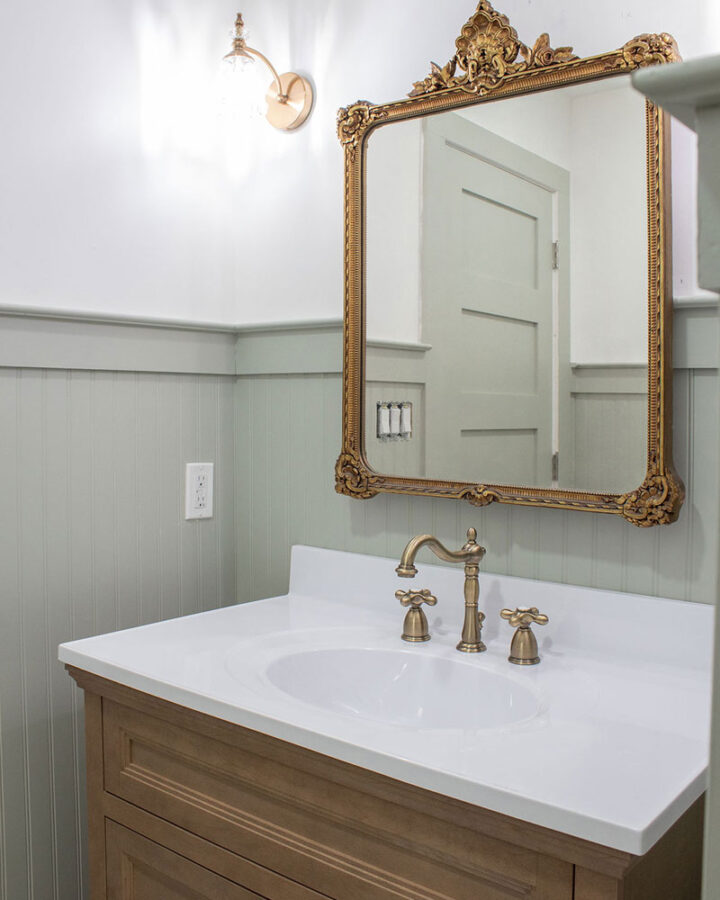
In our old house, I had replaced a medicine cabinet in our tiny half bath with an antique mirror and never regretted that decision. Some may argue that they need the storage of the cabinet. My opinion is that the amount of storage space is so minimal anyway that you can easily create other storage options to compensate for it.
In our main bathroom, I used an antique wooden storage cabinet with baskets that more than made up for the storage space lost without a medicine cabinet.
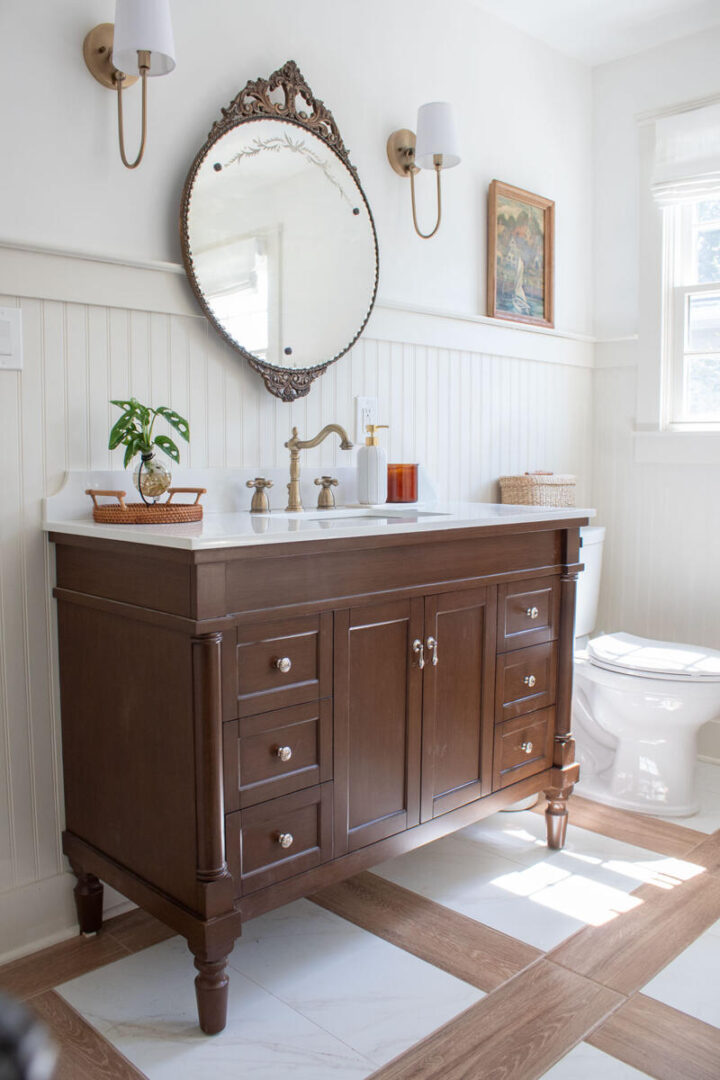
Our bathroom is a good example of mixing old with new. And even though our vanity is new, it has that furniture-like feel to it that works with my overall plan.
Even the tile flooring in this room is a nod to inlaid style flooring often seen in older homes, though usually done with wood floors in those days.
13. A Freestanding Tub
Much like the unfitted kitchens of the past, bathrooms were built similarly. Hence, the separate, free-standing bathtubs.
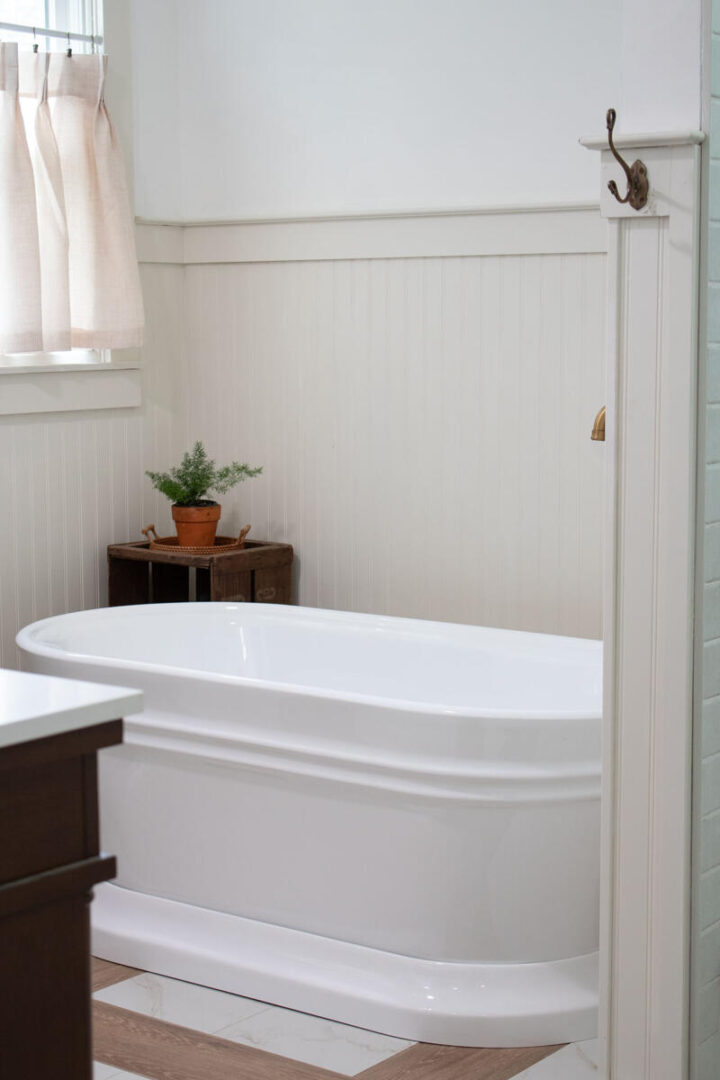
Built-in bathtub surrounds didn’t become the norm until plumbing advanced and bathrooms became smaller and more efficient.
Maybe that’s why having a free-standing bathtub today feels luxurious. As more and more condos are being built all over, having the space for details such as this is becoming more and more limited.
The only downside of free-standing tubs is that they aren’t the most practical option. They’d be more difficult for bathing children, and they are harder to get in and out of due to the high sides.
14. A Dutch Door
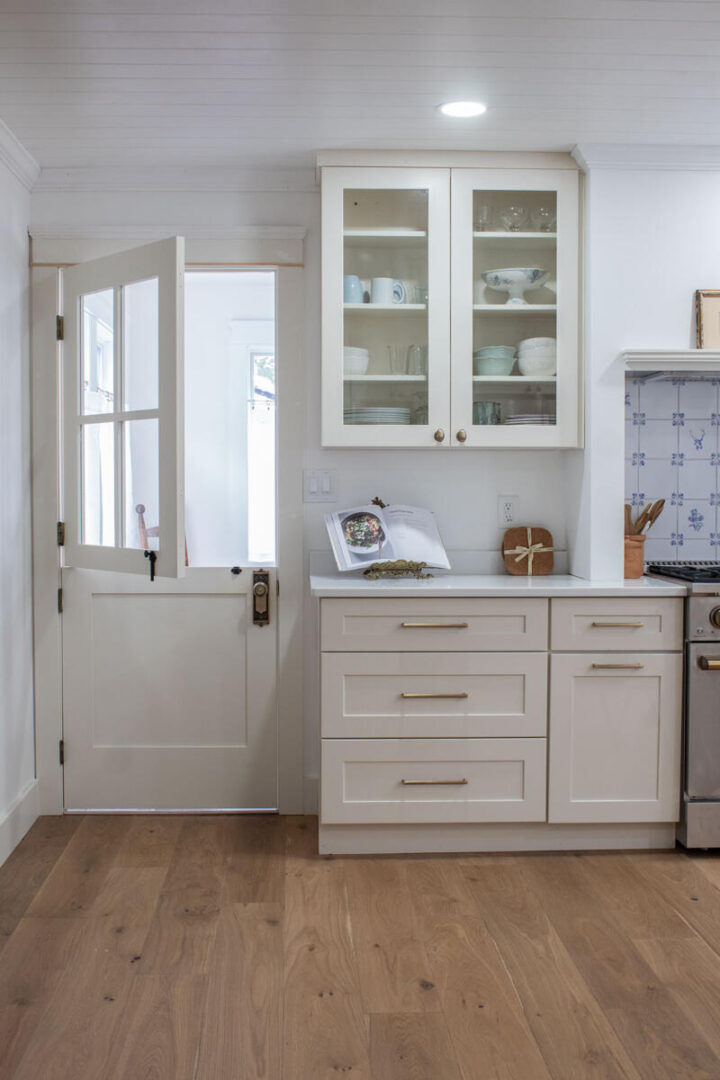
Adding a Dutch door to our kitchen addition was another idea I had early on.
Dutch doors also date back to 1600s Europe. Netherlands, to be exact, which is where the name came from. They were designed for farmhouses in order to keep animals out while also letting fresh air inside.
With the invention of HVAC and screen doors, there wasn’t a need for Dutch doors, which is why you don’t see them often.
When I chose a Dutch door to be installed between our kitchen and sunroom, I chose it for purely aesthetic reasons. However, we have discovered it is useful when we need to keep our animals separated for one reason or another without totally closing off the room.
15. An Unexpected Kitchen Window
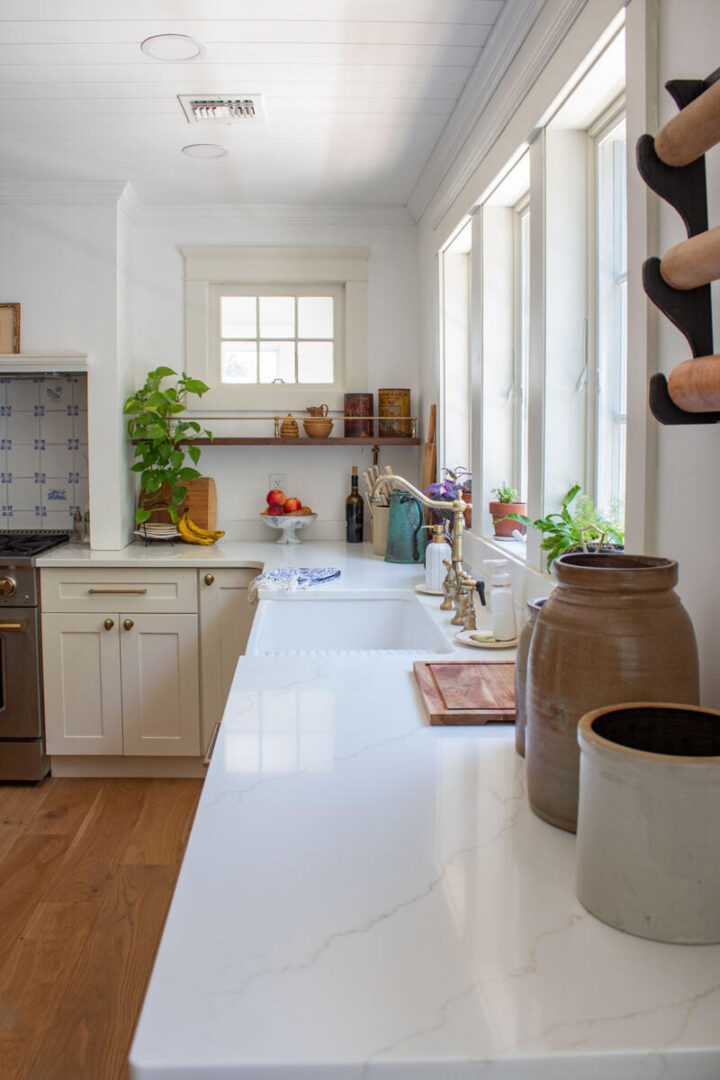
Have you ever noticed in historic homes how they usually have at least one odd or quirky detail? That is something that draws me in, the unexpected.
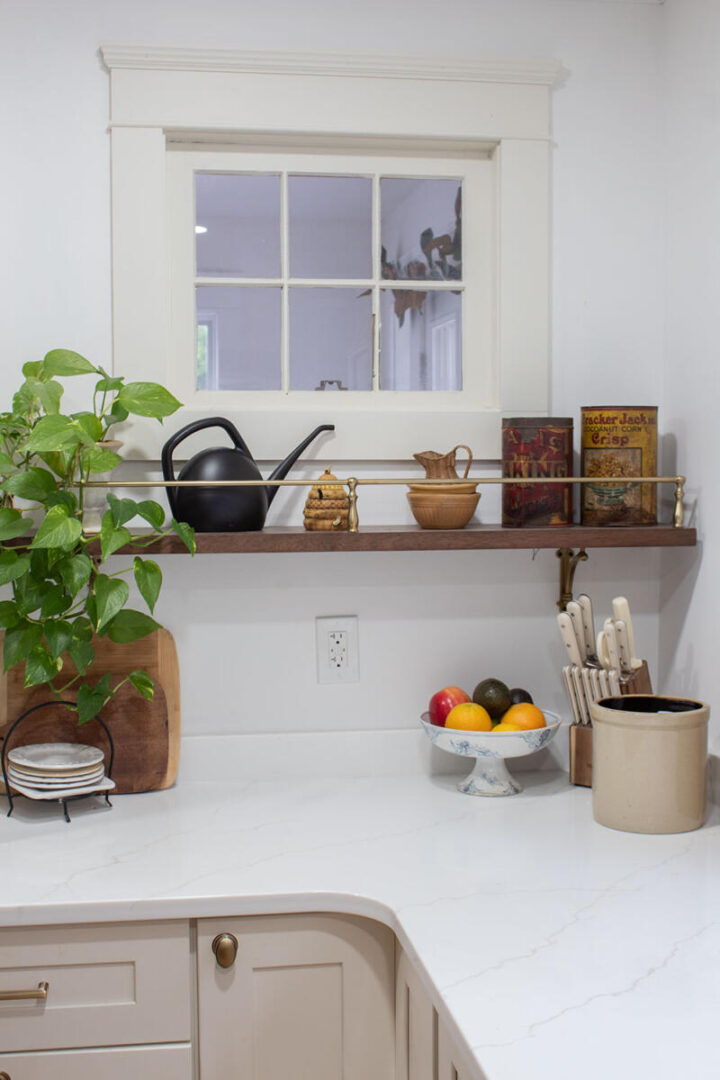
In our kitchen design, I decided to add a window on the side wall even though it’s an interior wall. Because the next room is our sunroom, I knew it would be a nice way to let more sunlight in. I also knew it would add quirky details reminiscent of older homes that often had asymmetric details.
Below you can see how that window looks from the sunroom side.
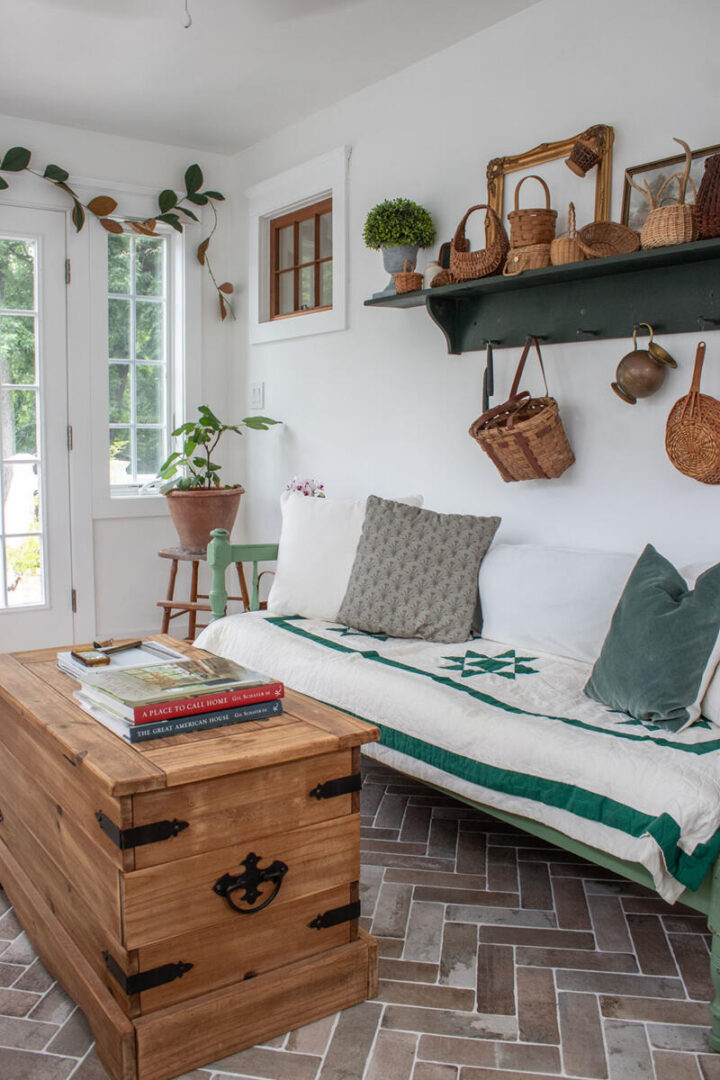
At one point, I considered adding a stained glass window here, but I couldn’t find one that wasn’t too colorful in the right size. Instead, I opted for an old real wood paned window I found on marketplace for $10.
Tips for Adding Historic Charm Without a Full Renovation
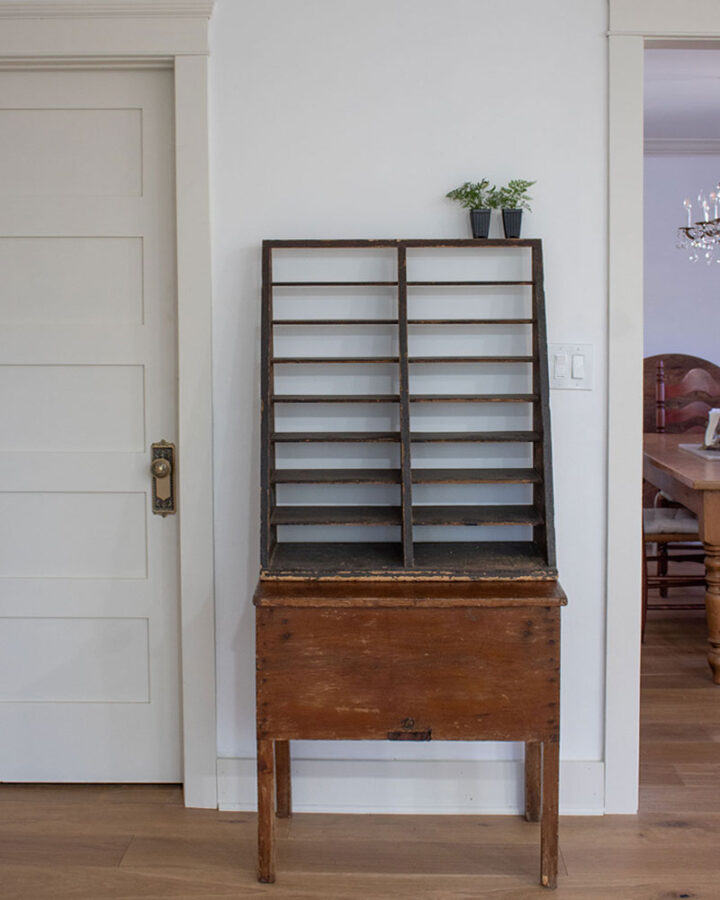
If you love the details of historic homes but aren’t planning on renovating any time soon, here are some easier ways to add historic charm to your home.
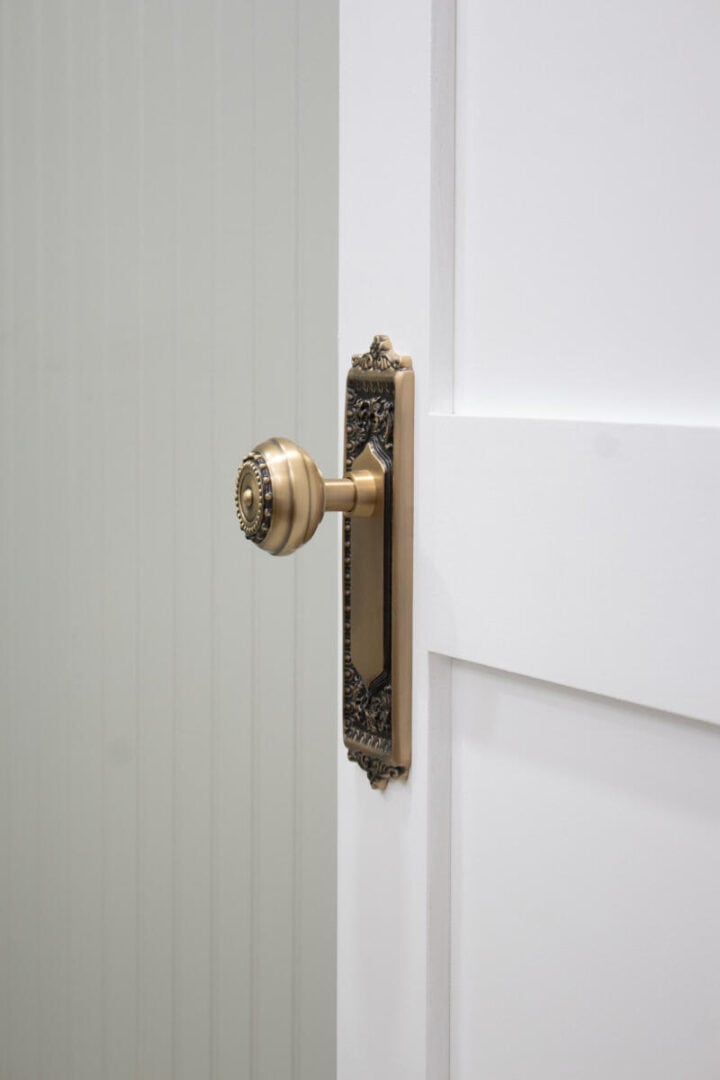
Swap Hardware – Changing out hardware, such as doorknobs or light switch covers, are small changes that make a huge difference!
Antique Lighting – Swap an overhead light fixture for something vintage or simply swap out new lamps for older models.
Hang Vintage Art – Replace generic wall decor with vintage paintings for instant character.
Bring In Antique Furniture – You can absolutely mix antiques with modern decor. You don’t have to change everything; simply adding one antique piece to a room has an impact.
Stained Glass – Add a stained glass window. You can hang one in front of an existing window without having to replace the entire unit.
Antique Mirrors – Swap out an old mirror for a new one, and you won’t believe the change. The more ornate, the better!
There were plenty of other historic details I considered, from arched doorways to transom windows. I’ll be sharing more of those ideas in a future post.
Looking back, the square footage isn’t what makes this renovation feel special. It’s the smaller details that quietly give the house its personality. Together, they make our home feel like it’s been here for generations.
How To Add Historic Charm To A Home Renovation – FAQs
Check Out My Vintage Home Decor Etsy Shop
If you liked this post on how to add historic charm to a home renovation, check out these similar posts.


All good ideas and doable. Thank you I will be saving this post.
Thank you 🙂
I love all the historic details you added to your home. I live in a 1892 Queen Ann Victorian. I am 71 & my husband is 83. He has been having health issues and I know we will not be able to remain in our beautiful home forever. Thanks for sharing this post.