
Why Your Room Feels Off (And How To Fix It)
Wondering why your room feels off? Discover easy fixes to make your space feel calm, cohesive, and inviting – plus grab a free checklist to guide you through it, step by step
You know that feeling — you’ve rearranged the furniture, maybe bought a few new pillows, and yet… something still doesn’t feel right. The room looks fine but when you walk in, it just feels off.
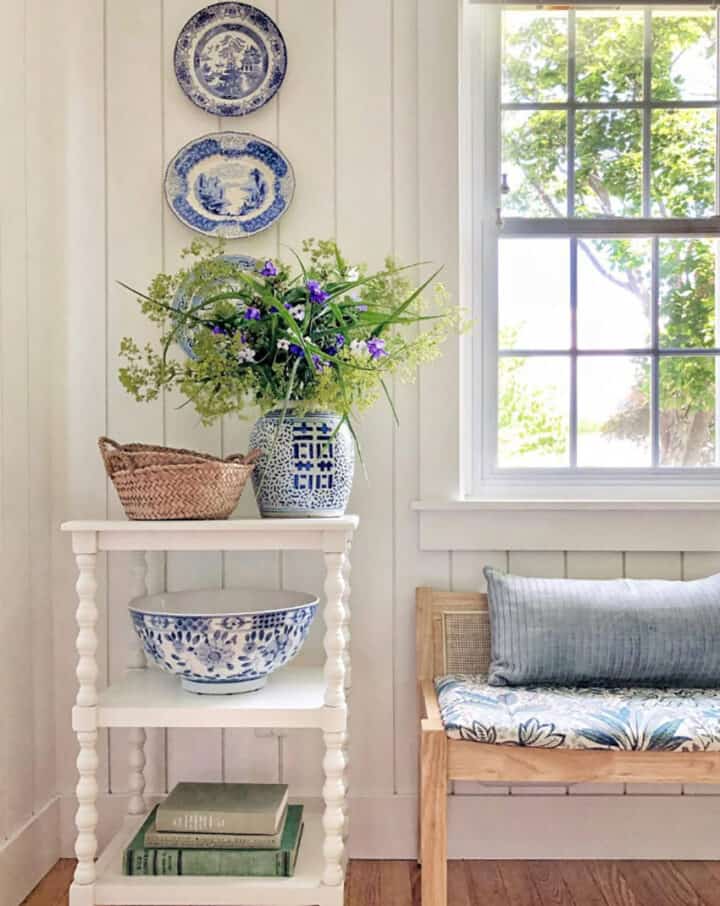
If you feel your room feels off, you’re probably not imagining it. When it’s good, we usually know instinctively. Most rooms that feel off aren’t beyond help; they’re likely just suffering from a few common room design mistakes.
And the good news?
You don’t need a whole new sofa or another shopping trip to fix it. You just need a clear approach to what needs tweaking.
1. Start With The Layout
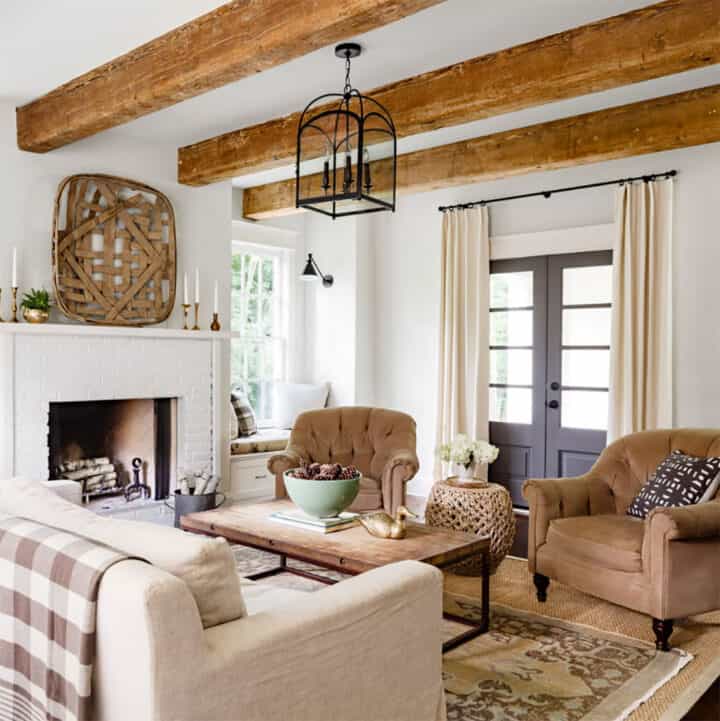
One of the biggest reasons rooms feel off is the layout. Furniture pushed against walls, awkward pathways, or too many competing focal points can make a room feel chaotic or cramped.
Home decorating tip: Pull your main pieces inward, define a focal point (like a fireplace, window, or piece of art), and make sure your seating supports conversation or flow. A room that’s laid out thoughtfully instantly feels calmer.
If you need more visual examples of furniture layouts, see my post on how to arrange a living room with a fireplace. Sometimes a simple shift using what you already have can make all the difference.
2. Check Scale and Proportion
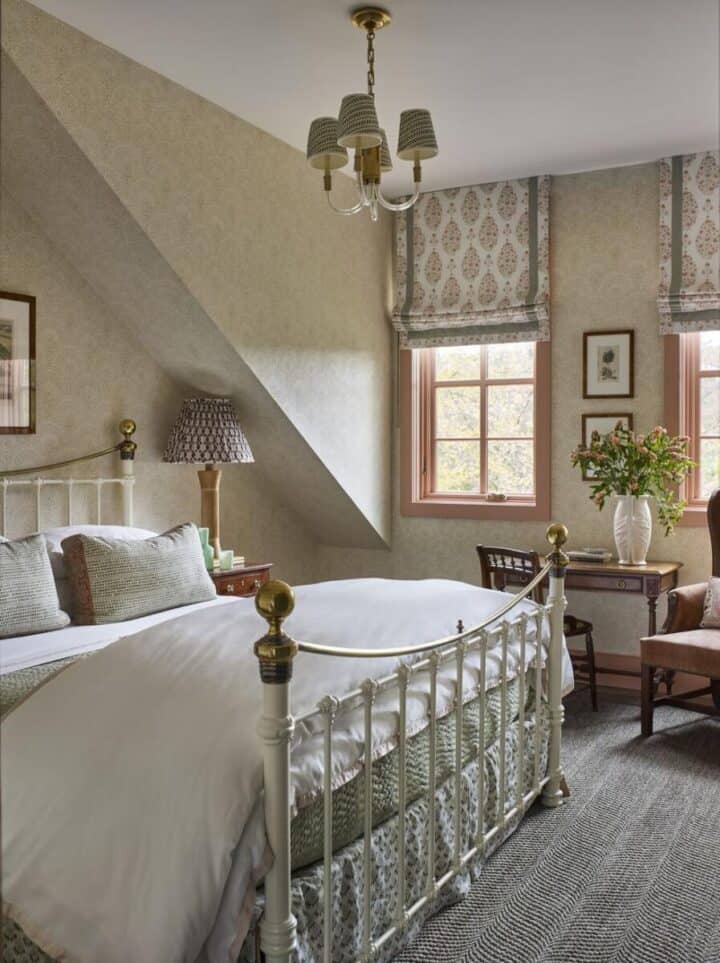
Even perfectly coordinated décor can feel off if it’s the wrong size. A rug that’s too small, artwork hung too high, or a chair that dwarfs a side table can throw off the room’s balance. Rug placement is different for every room. This is a good guide for choosing the right size area rug.
Quick fix: Anchor seating areas with the right-sized rug, and hang art slightly lower and wider than you think. It’s amazing how adjusting scale and proportion can transform a space.
Imagine everything in the room as having visual weight to help you.
3. Mind Your Color Story
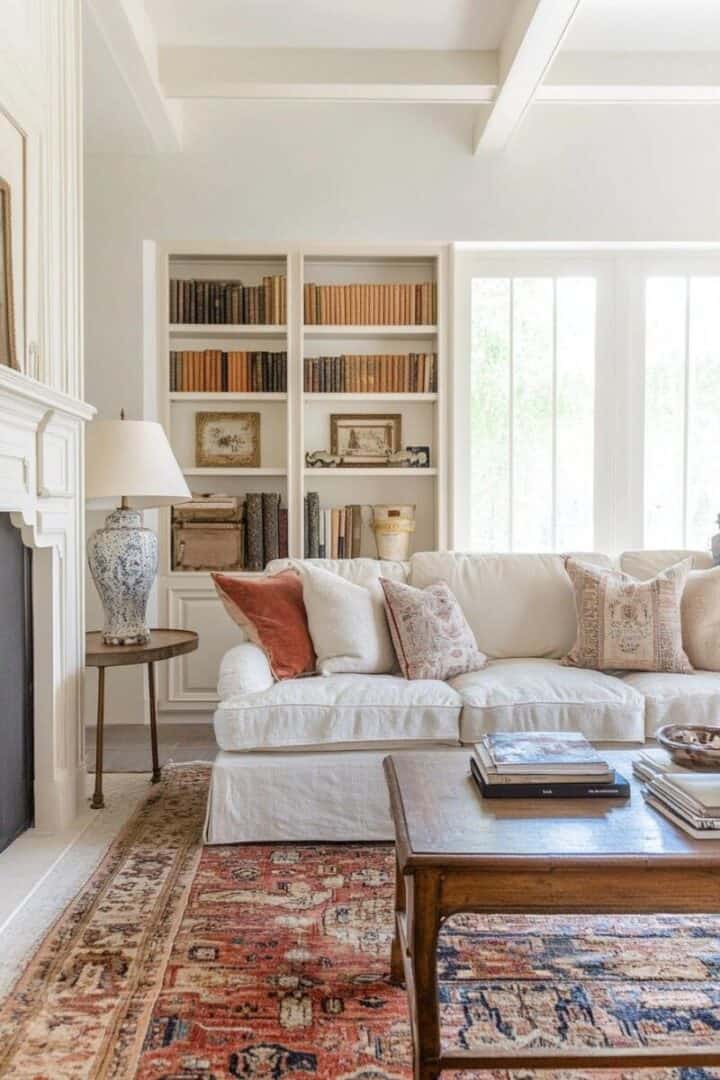
Sometimes rooms feel off, not because of bad colors, but because the undertones clash or the palette is inconsistent.
Home decorating tip: Stick to a warm or cool direction and repeat it throughout the room. Layer neutrals, mix textures, and resist the urge to add more colors until the basics are harmonious.
When you repeat colors throughout the room, it allows the eye to travel; that’s what you want. The photo above is a great example. Notice the warm orange color from the books, to the pillow, to the area rug. It has a nice flow.
And then there’s the “too perfect” problem. If everything matches exactly – the same wood tone, metal finish, and style, it can feel flat. Rooms need a little contrast to feel alive. Mixing something old with something new, or soft with structured, is a great way to add interest.
4. Lighting can make or break it
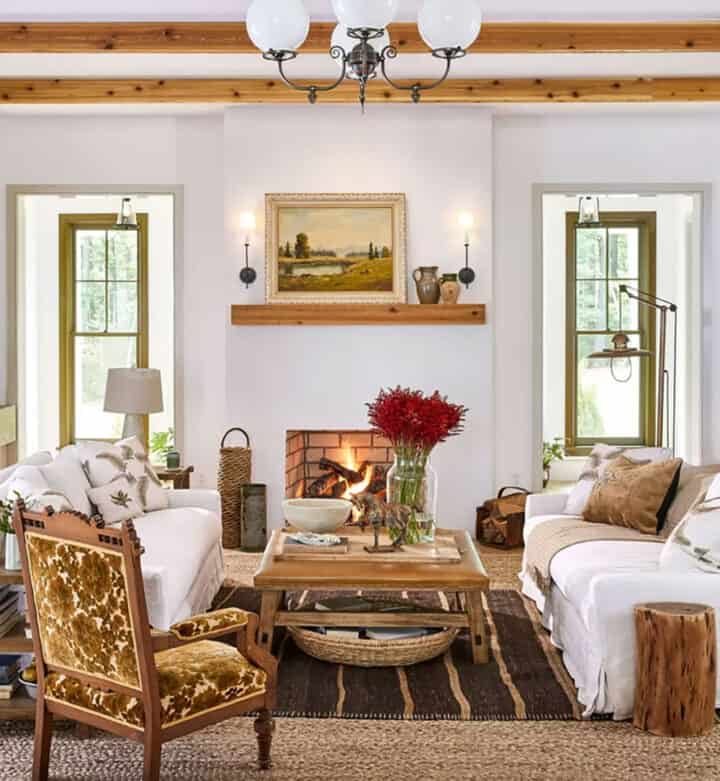
Lighting is a silent mood-killer. Overhead lights alone make a room harsh, dark corners feel heavier, and mismatched bulb temperatures create visual tension.
Quick win: Use at least 2–3 light sources in each room, such as floor lamps, table lamps, and ambient lighting. Try to make them all the same temperature range, but vary the heights. Even small tweaks here instantly make a room feel more intentional.
5. layer texture and personality
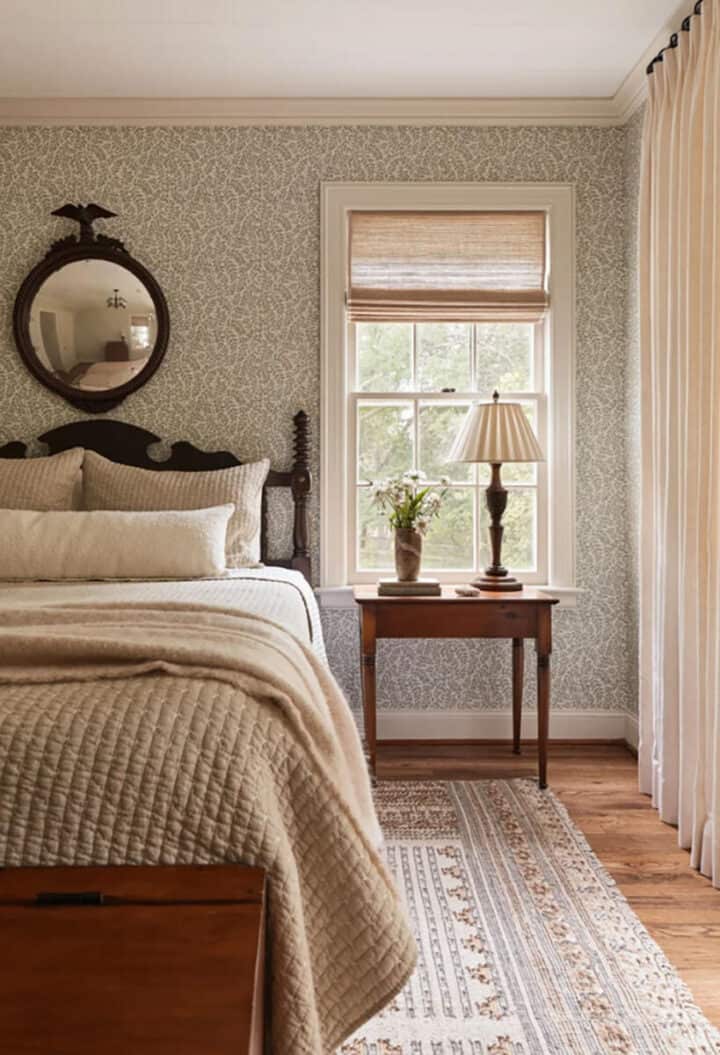
A room can look “styled” and still feel off if it’s missing layers or personal touches. Smooth surfaces everywhere, too little contrast, or a lack of meaningful items can make a space feel cold or unfinished.
Home decorating tip: Add soft textiles, natural fibers, and a few personal touches like photos, books, or mementos. This will help make the room feel inviting and more like you.
Using antique pieces mixed with more modern decor also helps to bring in texture and interest.
Finally, sometimes a room feels off because it doesn’t reflect you. Maybe it’s styled nicely… but it feels generic. Adding one or two pieces that actually mean something – a thrifted find, a framed photo, a slightly imperfect vintage piece- can shift the whole mood from staged to settled.
budget-friendly decorating tips
You don’t need to drop a fortune to make your room feel amazing. Honestly, some of the easiest fixes cost absolutely nothing.
Start by just looking around your space. That lamp that’s been hiding in the bedroom? Move it to another room. That throw pillow shoved in the closet? Yes, it totally belongs on your sofa now. Little swaps like that can make a room feel completely refreshed without spending a single dollar.
Thrifting and antiques are also your secret weapon. Seriously, estate sales, antique stores, and even Facebook Marketplace are good places to look for unique pieces that instantly give your space personality.
A quirky side table, a small rug, or a vintage frame can make a huge impact without wrecking your budget. Plus, finding something one-of-a-kind makes your room feel like you — not just like a page out of a magazine.
Decorating on a budget isn’t about limitation; it’s about getting creative and making what you already have shine.
Decorating at Your Own Pace
You do not have to fix your entire room in one weekend.
The trick? Go slow, go intentional, and don’t feel pressured to buy everything at once. Move one thing, step back, see how it feels. Then swap another. Over time, your space will start to feel balanced, cozy, and totally yours – all without blowing your budget.
Homes come together in layers; slowly, thoughtfully, and in a way that actually fits your real life.
Give yourself permission to collect pieces over time. Maybe this month it’s a better rug. Next season, it’s artwork. Maybe next year you finally replace the coffee table. There’s something really grounding about decorating at a pace your budget can handle. It keeps you from filling your home with rushed decisions just to “be done.”
A finished room isn’t the goal. A room that feels like you is. And that usually happens when you let it evolve naturally – adding meaningful pieces, mixing in things you love, and adjusting as your life changes. There is no prize for fastest makeover. There’s just the quiet satisfaction of creating a space that feels settled because you built it thoughtfully.
So take your time. Rearrange first. Save intentionally. Add slowly. Your home isn’t on a deadline — and neither are you.
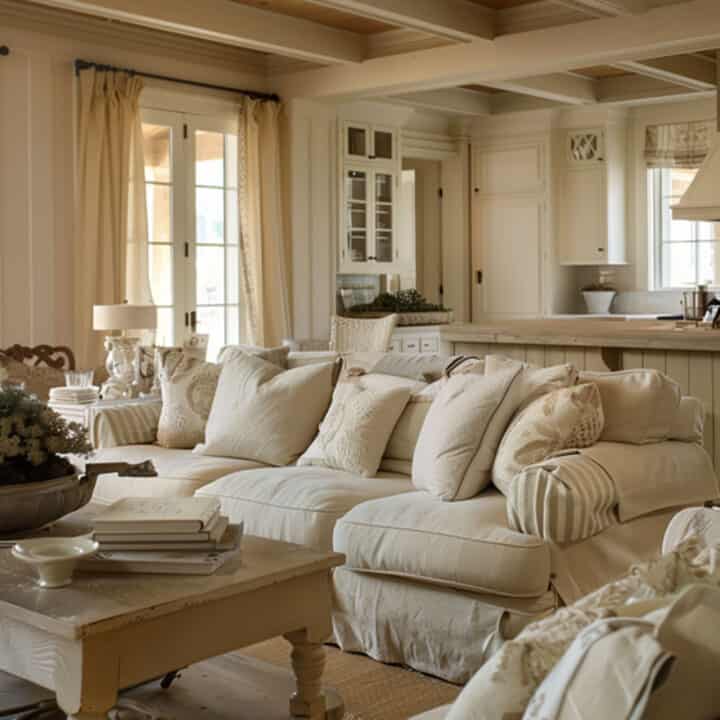
Bottom line: Most rooms don’t need more stuff. They need direction. Once you know why your room feels off and you have a simple plan, you can fix the issues without buying anything new.
With a few intentional changes, your space will finally feel calm, cohesive, and unmistakably yours. 🙂
MORE HOME DECORATING IDEAS FOR YOU:


These are all good ideas and moving slow is best. I can not tell you hos many times hastily bought things and was never really happy with the results. Now I just don’t rush it and go with my flow. Thank you for the great ideas.